


.avif)

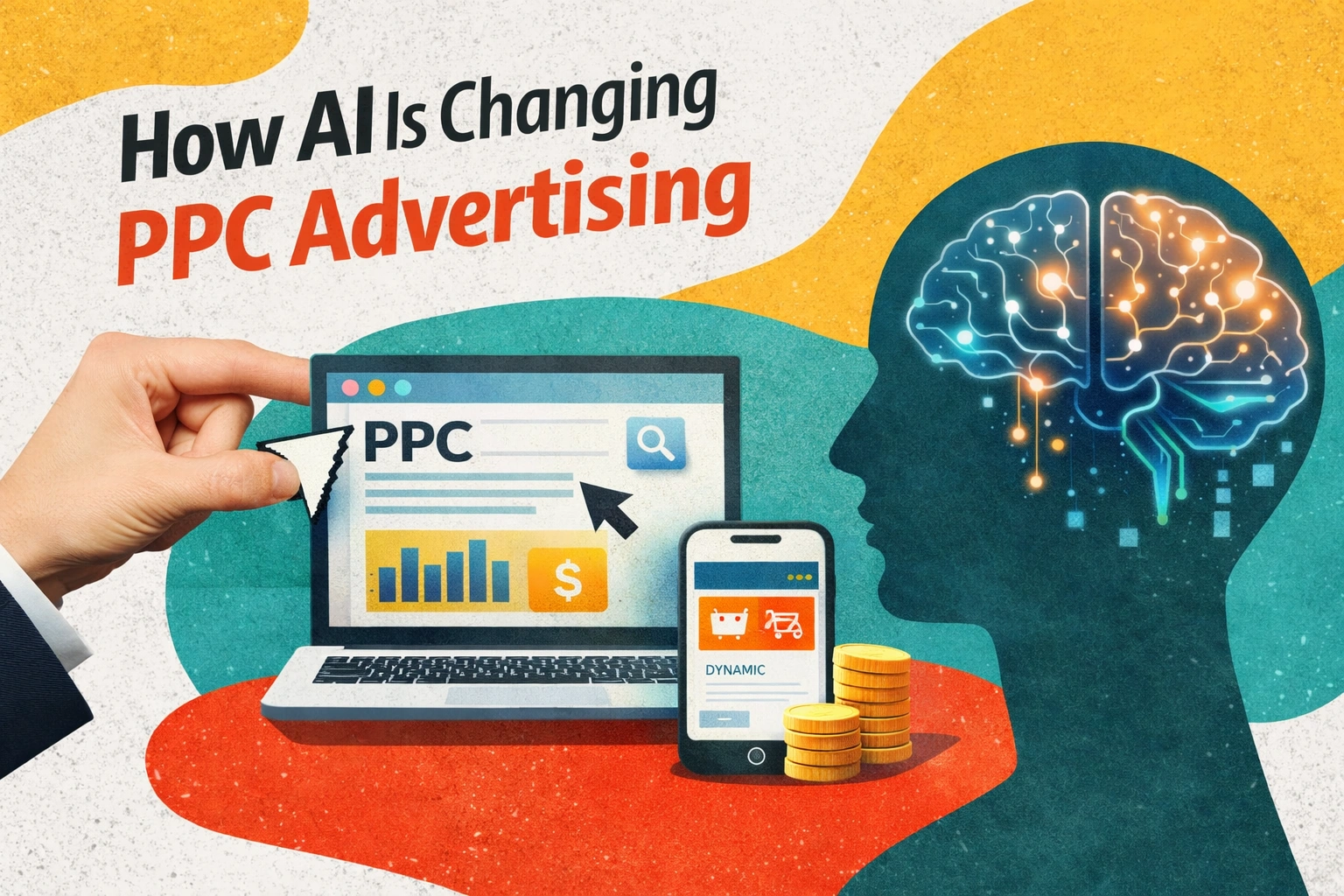
Artificial intelligence is now deeply embedded in paid media platforms. From automated bidding and budget allocation to creative generation and audience targeting, AI is no longer an optional layer within PPC. It is the operating system behind modern advertising.
This shift has raised an important question for advertisers. Should AI in PPC be seen as a threat, a competitive risk, or a strategic advantage?
The reality is more nuanced. AI is changing how campaigns are planned, executed, and optimised, but it does not remove the need for human expertise. Instead, it reshapes where value is created and where mistakes are most likely to happen.
This guide explores how AI is influencing PPC today, where advertisers should be cautious, where opportunities exist, and how to stay in control as platforms continue to automate.
How AI Is Already Embedded in PPC Platforms
AI is not a future feature. It already controls many of the most important decisions in paid advertising.
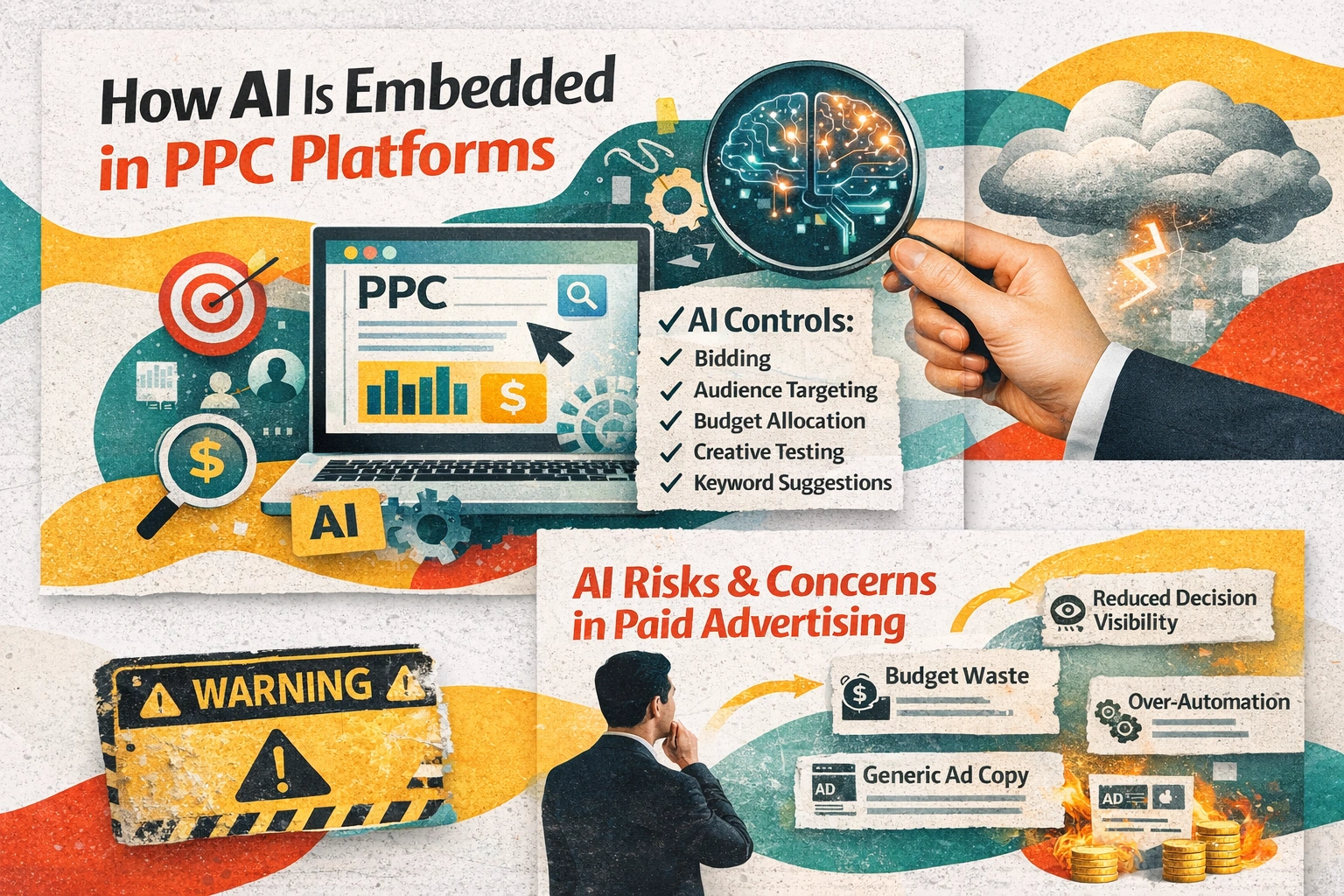
Most major platforms now rely on AI to:
- Adjust bids in real time
- Predict conversion likelihood
- Expand audience targeting beyond manual parameters
- Optimise budgets across campaigns
- Test and rotate creative automatically
- Recommend keyword and targeting changes
While these systems improve efficiency, they also reduce transparency. Advertisers often see results change without clear explanations for why.
Understanding where AI operates is the first step to managing risk.
The Real Concerns Advertisers Should Be Aware Of
AI in PPC does introduce legitimate risks. These risks are not about AI replacing marketers, but about advertisers losing control if systems are left unchecked.
Reduced Visibility Into Decision Making
AI-driven bidding and targeting decisions are often black boxes. Advertisers may see cost per acquisition change without knowing which signals caused the shift.
Over-Reliance on Platform Objectives
AI systems optimise for the goals they are given. If conversion tracking, attribution, or goals are flawed, AI will optimise aggressively in the wrong direction.
Budget Inefficiency at Scale
Without guardrails, AI can overspend on low-quality conversions, brand queries, or inflated demand signals.
Creative Homogenisation
AI-generated ad copy can converge toward similar messaging, reducing brand differentiation and emotional impact.
Where AI Actually Helps Advertisers Win
Despite the risks, AI has unlocked performance improvements that manual optimisation could never achieve alone.
AI excels at:
- Processing vast volumes of signals in real time
- Adjusting bids at a speed humans cannot match
- Identifying patterns across large datasets
- Scaling optimisation across thousands of keywords or products
The key difference between success and failure is not whether AI is used, but how it is governed.
Human Strategy vs AI Execution
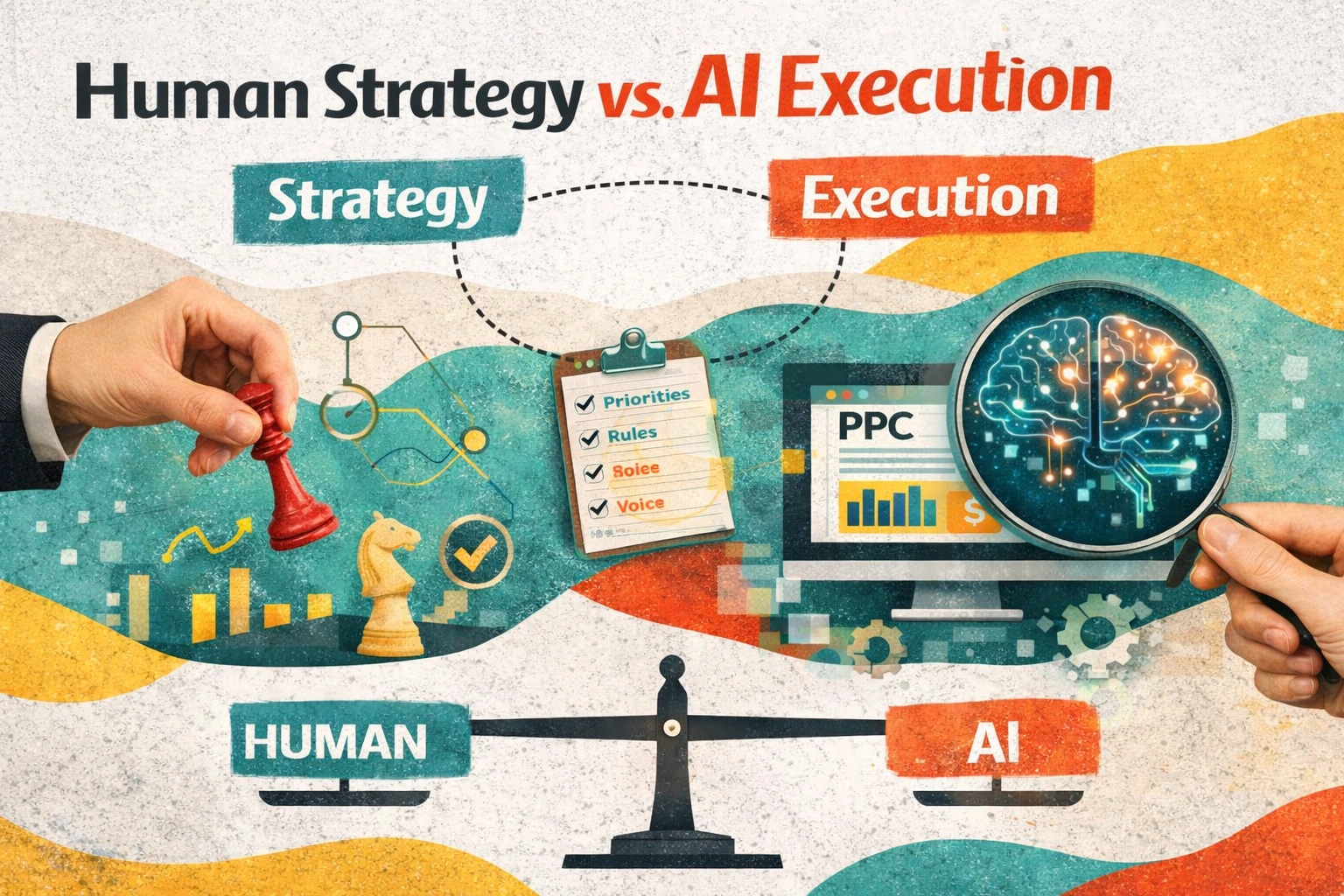
AI performs best when paired with a clear human strategy. Advertisers who struggle with AI often delegate too much responsibility to automation without defining direction.
The table below highlights where AI should lead and where human oversight remains essential.
When AI in PPC Goes Wrong
AI-driven PPC issues usually stem from poor inputs rather than flawed technology.
Common causes include:
- Inaccurate conversion tracking
- Over broad goals with no value weighting
- Weak creative assets
- Insufficient data for learning
- Lack of manual review
AI amplifies whatever signals it is given. Poor data leads to poor optimisation.
AI, Attribution, and Measurement Challenges
AI-driven campaigns often break traditional attribution models. Conversions may appear disconnected from obvious keyword or ad interactions.
Advertisers should expect:
- Increased assisted conversions
- Longer conversion paths
- More brand search activity after AI exposure
- Difficulty tying spend directly to the last click results
This does not mean performance is worse. It means measurement frameworks need to evolve.
How Advertisers Should Adapt Their PPC Strategy
Advertisers should focus on governance rather than resistance.
Practical steps include:
- Improving conversion tracking accuracy
- Using value-based bidding where possible
- Segmenting brand and non-brand campaigns
- Reviewing search terms and placements regularly
- Auditing AI recommendations instead of auto-applying them
AI should support strategy, not replace it.
FAQs
Should small advertisers be worried about AI in PPC?
Small advertisers can benefit significantly from AI, especially in bidding and targeting, but must be careful with budgets and conversion tracking.
Does AI reduce the need for PPC specialists?
No. It changes their role. Strategy, analysis, creative direction, and governance are more important than ever.
Can AI overspend budgets?
Yes, if guardrails are not set correctly. Budget caps, exclusions, and regular reviews are essential.
Is manual bidding still relevant?
Manual bidding can still be useful in low-volume or highly controlled scenarios, but most scalable campaigns benefit from AI-assisted bidding.
Will AI replace keyword targeting?
Keywords still matter, but AI increasingly relies on intent signals rather than exact matches alone.
Final Thoughts
Advertisers should not be worried about AI in PPC, but they should not ignore it either. AI is neither a silver bullet nor a threat by default. It is a powerful system that rewards strong foundations and punishes weak ones.
Those who combine AI execution with human strategy, clear measurement, and disciplined oversight will outperform competitors who either resist automation or surrender control entirely.
Related blog posts
What Google’s ALF AI Model Means for PPC
Google has introduced ALF, a new AI model that changes how advertiser behaviour is analysed and enforced in Google Ads. This guide explains what ALF does, why it matters for PPC, and how advertisers can adapt as AI driven ad safety evolves.
Google Ads Rolls Out a New Conversion Metric. What It Really Means for Your PPC Results in 2026
Google Ads has introduced a new metric called Original Conversion Value which shows the real revenue your campaigns generate without any adjustments or uplift.
A Strategic Blueprint for a Winning GDN Campaign
Beyond search ads, the Google Display Network is a powerful asset. This guide explains why it's a must-have for brand awareness.

The Pay-to-Play Trap: Why Relying on Paid Ads is a Risky Game
This article reveals the dangers of rising ad costs and how a holistic SEO strategy can build a profitable, resilient foundation for growth.

Beyond Translation: Mastering Multilingual Marketing for Global Success
Go beyond traditional ads. Learn how to leverage native advertising to enhance engagement, build trust, and connect with your digital audience.

Maximise Every Pound: How to Combat Wasted Ad Spend
Maximise your ad budget: discover how to pinpoint wasted spend, optimise targeting, and use data-driven insights to improve campaign performance.
Get a FREE Website Audit
Dominate search results and attract more qualified traffic. Our free search performance audit will analyse your website's visibility across all major search engines and provide actionable insights to improve your online presence.

