


.avif)


Sustainability claims are now a core part of how brands market themselves. From packaging and product pages to investor decks and About pages, environmental language has moved from a niche concern to a mainstream expectation. At the same time, regulators, journalists, search engines, and AI systems have become far more sceptical of vague or exaggerated claims.
Greenwashing is no longer just a reputational risk. In 2026, it directly affects search visibility, AI trust, and long term brand credibility. Companies that overstate their environmental impact, even unintentionally, are increasingly penalised across legal, media, and search channels.
This guide explains what greenwashing really is, how it shows up in modern marketing, real world examples that triggered backlash or penalties, and how brands can communicate sustainability without putting themselves at risk in either traditional or AI driven search.
If your sustainability messaging needs a trust-focused audit for SEO and AI search, Appear Online can help.
What greenwashing actually means
Greenwashing refers to the practice of making environmental claims that are misleading, unsubstantiated, or exaggerated. This does not always involve outright lies. In many cases, the issue is selective disclosure, vague language, or presenting minor improvements as major environmental achievements.
Common greenwashing patterns include:
- Using broad terms like eco friendly or sustainable without evidence
- Highlighting one green initiative while ignoring larger environmental harm
- Using imagery or colour schemes to imply sustainability without supporting data
- Making future pledges with no clear plan or accountability
As consumers and regulators have become more educated, these tactics are now easier to identify and far more likely to be challenged.
Why greenwashing matters more in modern search
Historically, greenwashing was mostly a PR problem. Today, it is also a search problem.
Modern search systems, including AI powered results, assess credibility across multiple signals. These include consistency of claims, third party validation, historical reporting, and external coverage. When sustainability messaging does not align with evidence elsewhere on the web, trust signals break down.
AI systems are especially sensitive to contradictions. If a website claims carbon neutrality while credible sources describe ongoing environmental harm, AI summaries are likely to soften, question, or exclude those claims entirely. In some cases, the brand may be framed as controversial or untrustworthy.
This shift means that sustainability messaging must now withstand automated scrutiny, not just human interpretation.
Real World Greenwashing Examples and What Went Wrong
Understanding how greenwashing plays out in practice makes the risks far more tangible. These cases show how misleading sustainability claims can trigger regulatory action, legal consequences, and long-term reputational damage.
1. Volkswagen and the Diesel Emissions Scandal

One of the most infamous examples involves Volkswagen. The company marketed its diesel vehicles as low-emission and environmentally friendly, positioning them as a cleaner alternative to petrol cars. However, it was later discovered that Volkswagen had installed software designed to cheat emissions tests, making vehicles appear compliant under laboratory conditions while producing far higher emissions on the road.
The fallout was severe. Billions in fines, criminal investigations, executive resignations, and global lawsuits followed. Nearly a decade later, search results and AI-generated summaries still prominently reference the scandal, demonstrating how reputational damage can persist long after the financial penalties are paid.
2. BP and the “Beyond Petroleum” Rebrand
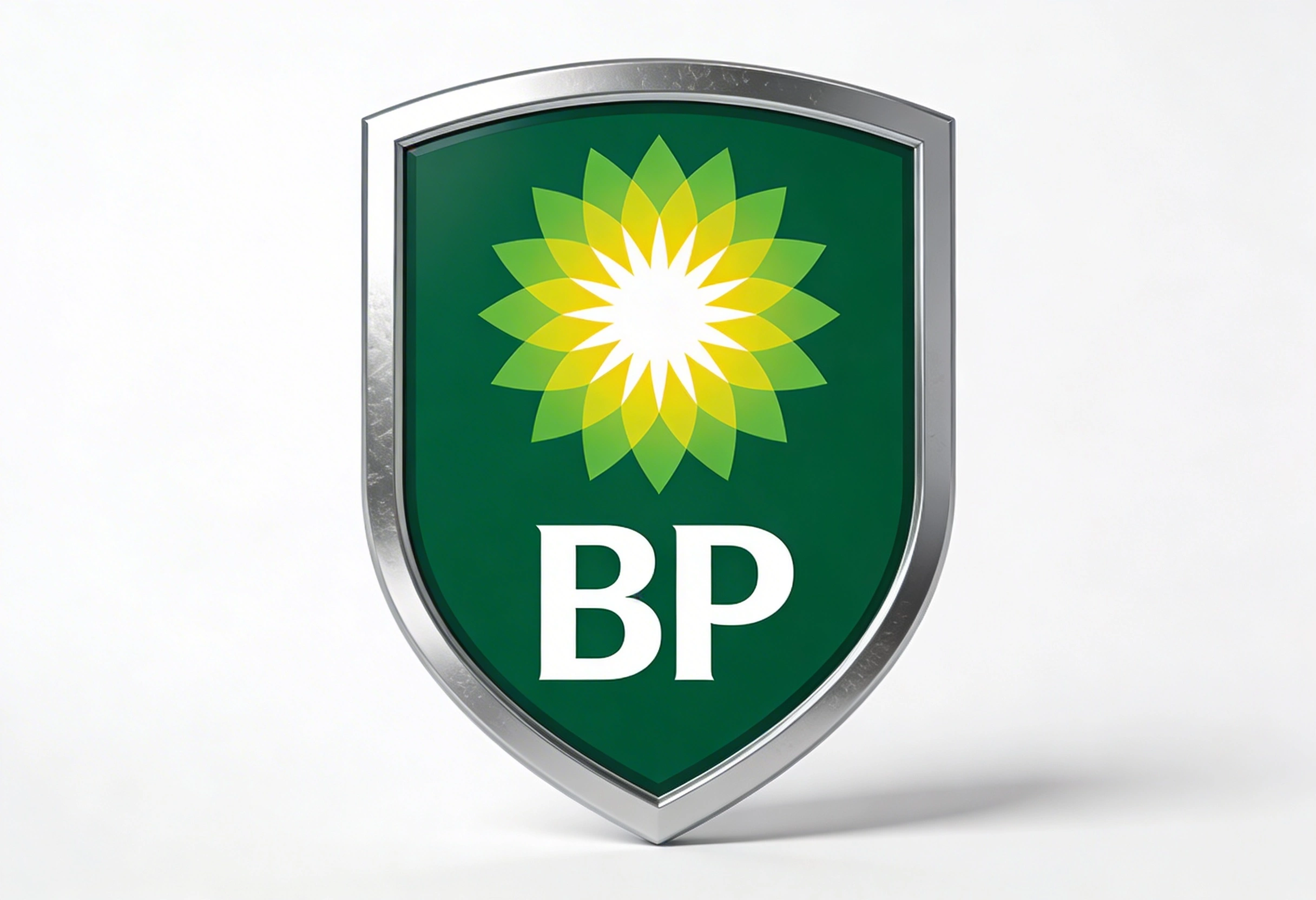
Energy giant BP rebranded itself in the early 2000s with a green sunburst logo and the slogan “Beyond Petroleum.” Advertising campaigns strongly emphasised renewable energy and climate awareness.
Despite the messaging, the vast majority of BP’s investment remained focused on fossil fuel extraction. In 2019, the UK’s Advertising Standards Authority ruled that parts of BP’s climate-focused advertising were misleading because they overstated the company’s low-carbon activities relative to its overall operations. The gap between messaging and investment fuelled long-term scepticism in media coverage and public perception.
3. H&M and “Conscious” Collections

Fashion retailer H&M promoted its “Conscious” collection as a more sustainable choice. The branding highlighted recycled materials and eco-friendly messaging.
However, investigations questioned the transparency and methodology behind its sustainability claims. In 2022, H&M faced scrutiny in the US over allegedly misleading environmental scorecards, and consumer groups challenged the clarity of its marketing. Critics argued that spotlighting a small sustainable line while continuing large-scale fast fashion production created a distorted impression of the company’s overall environmental impact.
What These Examples Have in Common
The issue in each case was not discussing sustainability. The issue was presenting an incomplete or exaggerated picture.
When marketing overstates environmental credentials, regulators, journalists, and now AI-driven search systems surface the contradiction. Once that narrative is established, it becomes embedded in search results, knowledge panels, and AI summaries, making reputational recovery significantly harder.
For modern brands, the lesson is clear. Sustainability claims must be proportionate, evidence-based, and transparent. Otherwise, the long term visibility of greenwashing accusations may outweigh any short term marketing gain.
The most common greenwashing mistakes brands make
Greenwashing is often unintentional. Many brands fall into it because sustainability messaging is added late in the marketing process or handled by teams without environmental expertise.
Before looking at solutions, it helps to understand the most frequent mistakes and how they are interpreted by search systems and regulators.
The table below outlines common greenwashing patterns, why they are risky, and how they are typically perceived.
These patterns are increasingly detectable by AI systems that compare claims against external reporting, historical data, and third party analysis.
How AI search changes the rules around greenwashing
AI driven search does not evaluate sustainability claims in isolation. It looks for alignment across the wider web.
This includes:
- Regulatory actions and rulings
- Investigative journalism
- NGO reports and watchdog analysis
- Consistency across brand owned content
If claims conflict with authoritative sources, AI summaries tend to hedge, contextualise, or omit them altogether. In some cases, the model may surface criticism alongside the claim, which can be far more damaging than not mentioning sustainability at all.
This makes greenwashing a structural problem rather than a messaging issue. Once mistrust is established, it becomes part of the brand narrative that AI systems learn and repeat.
How to communicate sustainability without greenwashing
Avoiding greenwashing does not mean staying silent. It means being precise, honest, and proportionate.
Strong sustainability communication follows a few consistent principles:
- Use specific language tied to measurable actions
- Provide context and limitations, not just successes
- Reference recognised standards or certifications where applicable
- Keep claims consistent across all channels
Instead of claiming to be sustainable, explain what has been improved, what still needs work, and how progress is tracked. Transparency builds more trust than perfection.
Recovering from greenwashing accusations or risk
If a brand has already faced criticism, recovery is possible but slow.
The first step is auditing existing content. Identify claims that are vague, outdated, or unsupported. These should be clarified, contextualised, or removed entirely.
Next, align sustainability messaging with operations. Marketing cannot run ahead of reality. Any future claims should be approved alongside legal, operational, and sustainability teams.
Finally, update structured data, About pages, and core brand content to reflect accurate positioning. AI systems rely heavily on these sources when forming summaries and trust assessments.
FAQs
Is greenwashing illegal?
In many regions, misleading environmental claims can breach advertising and consumer protection laws. Enforcement has increased significantly in recent years.
Can greenwashing affect SEO?
Yes. Inconsistent or disputed claims can weaken trust signals, reduce visibility in AI summaries, and increase negative brand associations.
Are certifications enough to avoid greenwashing?
Certifications help, but only when used accurately and in context. Misusing or overstating their scope can still cause problems.
Is it safer to avoid sustainability messaging entirely?
No. Silence can also raise questions. The key is accurate, evidence based communication rather than broad claims.
Final takeaway
Greenwashing is no longer a soft reputational issue. In 2026, it affects legal standing, public trust, and search visibility across both traditional and AI driven systems. Brands that treat sustainability as a marketing layer rather than an operational reality face long term risk.
The safest strategy is clarity over claims, evidence over adjectives, and transparency over perfection.
References:
https://www.bbc.com/news/business-34324772
https://www.fairplanet.org/dossier/beyond-petroleum/
https://www.gov.uk/marketing-advertising-law/regulations-that-affect-advertising
Related blog posts

AI Search and Seasonal Trends: How to Win Peak Moments
Why AI search engines treat seasonal trends differently from Google, why last-minute SEO no longer works for peak moments, and the modern 12-month playbook for winning AI search visibility around Black Friday, Christmas and other UK seasonal events.
How to Rank, Optimise and Win on Perplexity AI in 2026
A definitive 2026 playbook for Perplexity AI - how it works, what it rewards, and the exact strategy to earn AI citations and visibility.
The 12 Best UK AI SEO Agencies for 2026
The 12 best UK AI SEO agencies for 2026 - explore the new search landscape, practical AI SEO strategies, and why Appear Online leads the future.

ChatGPT Prompts for SEO and Marketing Teams - The 2026 Strategic Guide
The 2026 strategic guide to ChatGPT prompts for SEO and marketing teams. Covers the anatomy of a good prompt, workflow-organised prompt frameworks for SEO, content, digital PR, local SEO and reporting, advanced techniques, common mistakes and how to integrate ChatGPT into your marketing workflow.
Author Pages and AI Trust - Why Blogs Need Clear Human Signals
A practical guide to author pages, why they matter for AI trust, and how clear authorship improves blog visibility and credibility.

AI Search Optimisation Checklist 2026
AI search is changing how users find businesses. This checklist shows how to optimise for ChatGPT, Google AI, and Perplexity in 2026.
Get a FREE Website Audit
Dominate search results and attract more qualified traffic. Our free search performance audit will analyse your website's visibility across all major search engines and provide actionable insights to improve your online presence.

